America's Dog
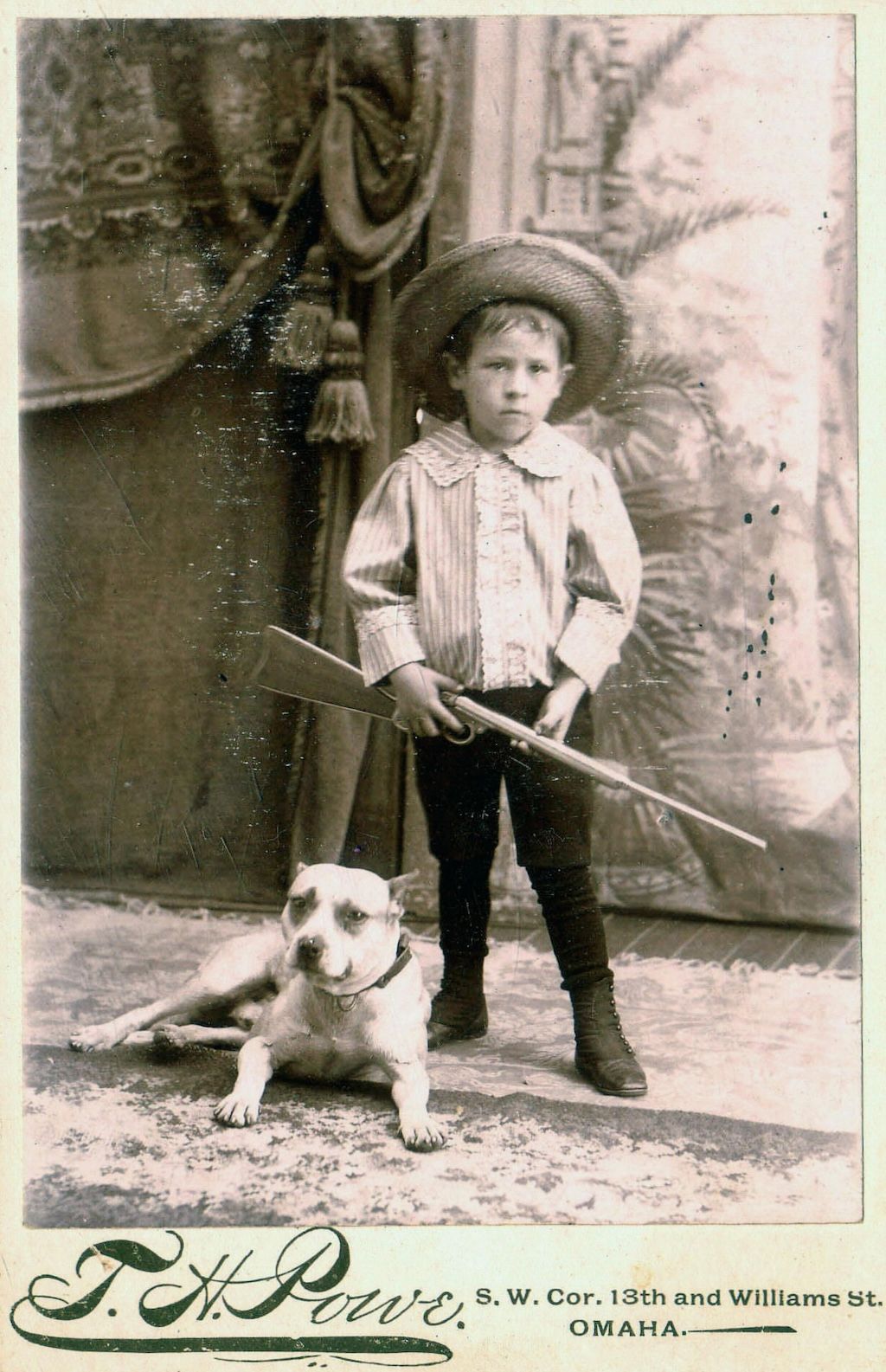
Dogs commonly known as "pitbulls," once beloved symbols of American spirit and loyalty, were known for decades as "America's Dog." Far from the misunderstood reputation they carry today, these dogs were admired for their strength, devotion, and unwavering affection toward their families. Their journey from hardworking farm dogs to national icons offers a powerful reminder of how deeply a breed's legacy is shaped by public opinion, and how that legacy can be reclaimed.
How did pitbulls become celebrated as "America's Dog," and what caused that to change?
From Working Dogs To Beloved Companions
The roots of pitbulls trace back to the 19th century in the United Kingdom, where breeders crossed bulldogs with terriers to create strong, agile, and obedient dogs known at the time as "bull and terriers." Brought to America by immigrants from the British Isles, they found purpose not in bull-baiting or fighting, but in farming and homesteading.
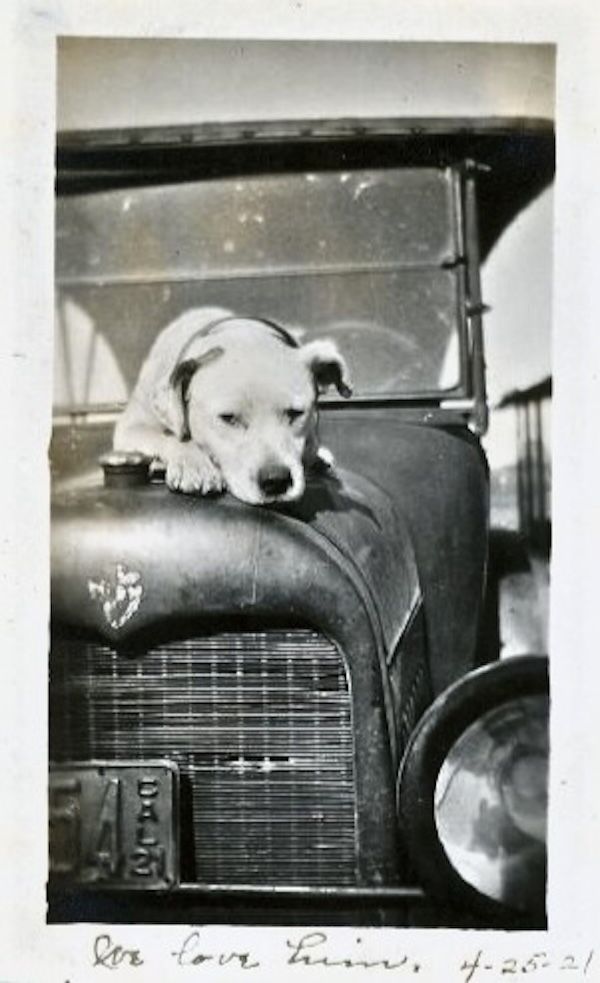
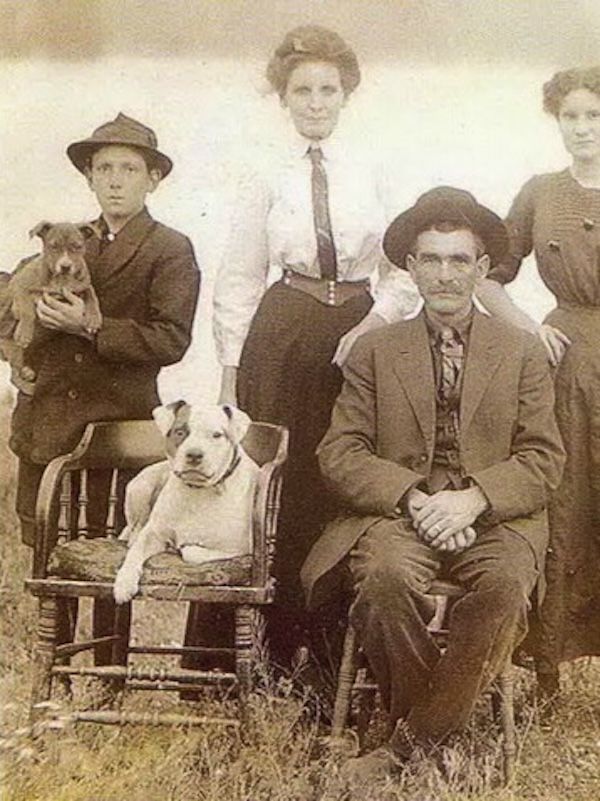
In early rural America, pitbulls were treasured as versatile working companions. They protected livestock, controlled vermin, pulled carts, and guarded homes. But most of all, they were known for their deep bond with people. Their strength and intelligence made them reliable workers, while their affectionate and loyal nature made them beloved companions in many households.
Symbols of Patriotism
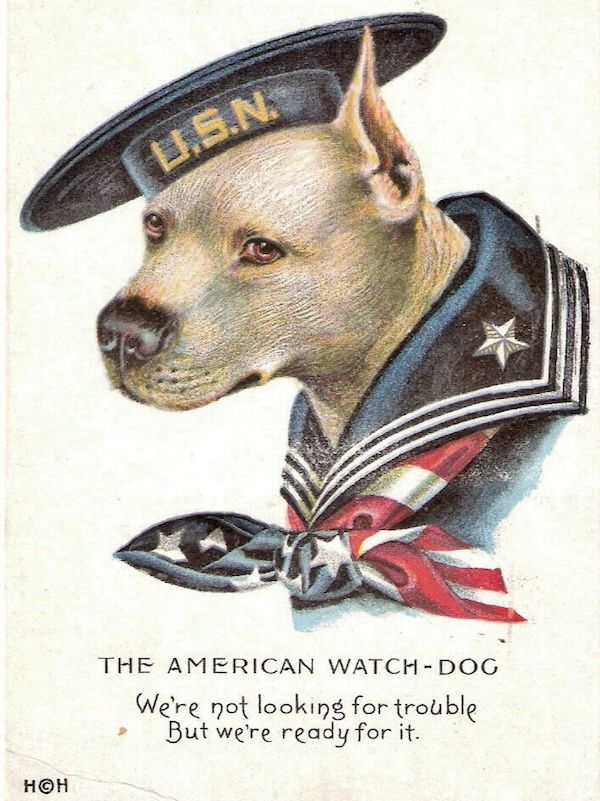
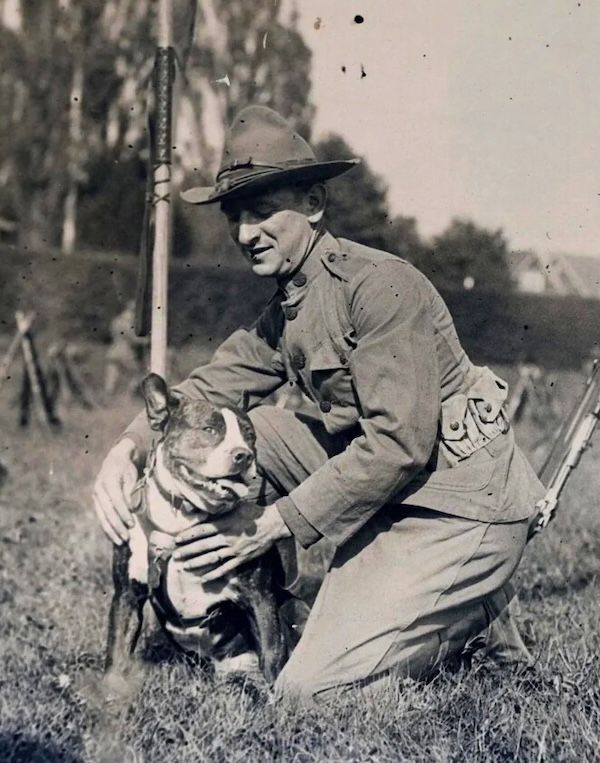
Pitbulls were more than just working and family dogs; they were also national icons. During World War I and World War II, pitbulls became mascots for the U.S. military, often featured in recruitment posters and war bond advertisements. These images showcased the breed's devotion and strength, traits seen as reflections of the American spirit.
Throughout both wars, pitbulls symbolized
courage and determination on the home front. They appeared prominently in propaganda materials, serving as visual representations of loyalty, protection, and national pride. Their image stood for the ideal American fighter: strong, dependable, and devoted. That made them a natural choice to rally public support and morale.
Cultural Icons
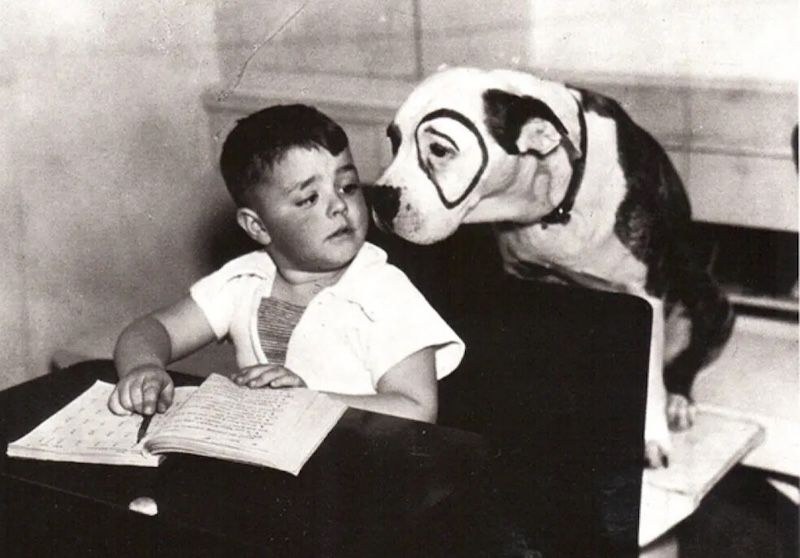
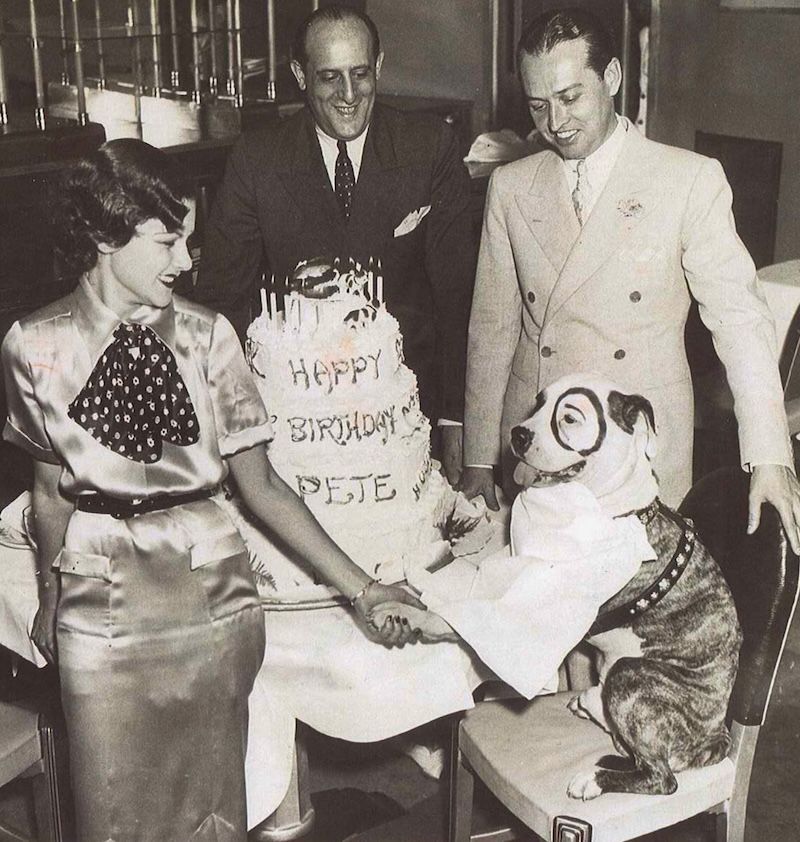
Pitbulls were also fixtures in early American entertainment. One of the most beloved was Pete the Pup, the iconic dog from the Little Rascals (also known as Our Gang) film series in the 1920s and '30s. Pete, with his signature ring around one eye, was not only a charming sidekick but also a symbol of the all-American childhood.
Other famous pitbulls appeared in advertising, family films, and even comic strips, where they were consistently portrayed as
loyal, playful, and trustworthy. Their popularity was rooted in the same qualities that made them cherished in homes: their affectionate nature, eagerness to please, and family-first loyalty.
Loyal and Loved
For much of the 20th century, pitbulls were one of the most popular breeds in the U.S. They were common in middle-class households, rural farms, and urban neighborhoods alike. Their reputation was built on real-life experience: these dogs were not feared, but cherished.
The label "America's Dog" was more than a marketing phrase. It reflected how deeply pitbulls were woven into American life. They worked alongside farmers, marched beside soldiers, entertained children, and curled up at night as beloved pets. Their image, strong yet kind and tough yet loving, mirrored the values many Americans held dear.
From Cherished to Feared
In the late 20th century, pitbulls began to experience a dramatic shift in public perception. A rise in illegal dogfighting operations during the 1980s and '90s led to their widespread misuse. Because pitbulls are strong, loyal, and eager to please, they were tragically exploited by individuals who trained them to fight, often under brutal and inhumane conditions.
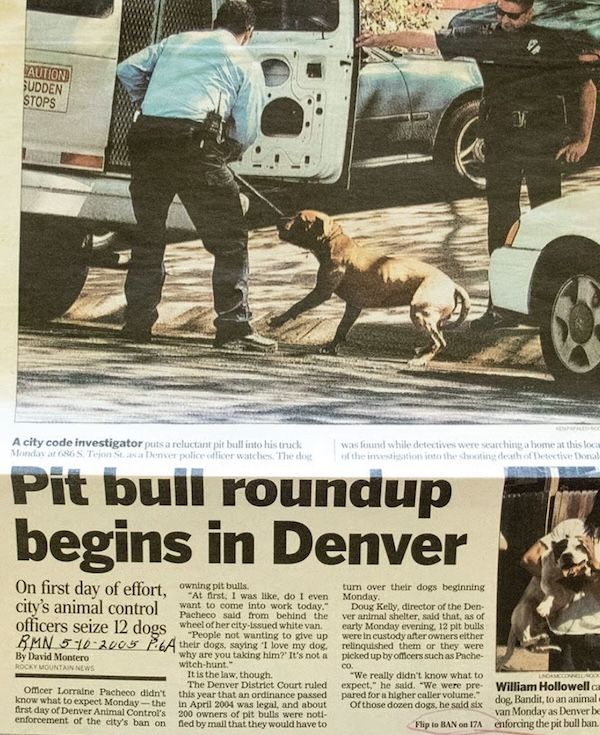
At the same time, media coverage became increasingly sensational. Incidents involving pitbulls were frequently highlighted in headlines, often without context or based on unverified breed claims. The combination of fear-driven reporting and the growing association of pitbulls with criminal activity began to turn opinion against them.
This wave of negative attention culminated in the implementation of breed-specific legislation (BSL): laws that restrict or ban certain dogs based solely on their appearance or assumed breed. Pitbulls were the primary target. Across many cities and towns, dogs labeled as pitbulls were subject to bans, confiscation, or euthanasia, regardless of their individual temperament or any history of aggression.
Rottweilers, Dobermans, German Shepherds, and other strong breeds have also been targeted by BSL over the years, often following the same pattern of misuse, media sensationalism, and fear-based policymaking. These laws have repeatedly failed to address the root causes of dog-related incidents, focusing on breed or appearance rather than behavior or responsible ownership.
Science Over Stereotypes
Research consistently shows that breed is a poor predictor of aggression. A major study found that breed explains only 9% of behavioral variation in dogs. Instead, factors such as training, environment, and individual experiences play a much greater role.
Pitbulls also score above average in standardized temperament evaluations conducted by the American Temperament Test Society, which assess traits like stability, friendliness, and response to stress.
Experts agree that public safety is best improved through responsible ownership and education, not breed bans. There is no reliable evidence that any breed, including pitbulls, is inherently more dangerous, and studies show that safety is not breed-specific.
Restoring America's Dog
The story of how pitbulls became known as "America's Dog," and how that image was lost, is a testament to the power of public opinion. These dogs were once celebrated for their courage, loyalty, and love. Their fall from grace was not caused by the dogs themselves, but by how people branded and misused them.
Today, advocates across the U.S. are working to restore the reputation of pitbull-type dogs, not by rewriting history but by remembering it. From battlefields to backyards, pitbulls have stood by us for generations. They were "America's Dog" then, and for millions of families, they still are today.